

Digital Nomads in Peru: How to Balance Remote Work, Hostels and Adventure
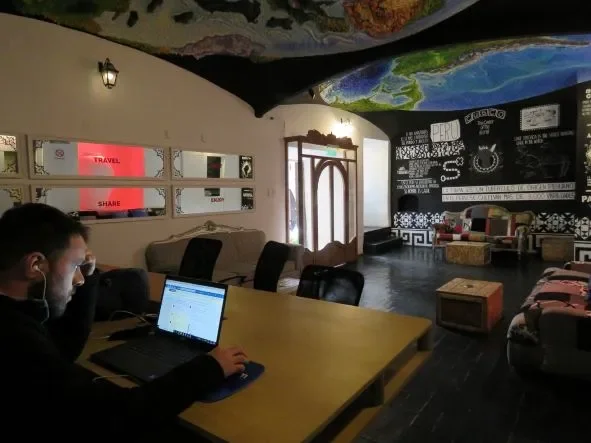
Being a digital nomad sounds like the perfect travel scene: laptop open, coffee nearby, strong Wi-Fi, a video call with a beautiful background, and, once the workday ends, a new city waiting outside. Peru can give you exactly that feeling, but it can also challenge you in ways you may not expect. Between Lima traffic, Cusco’s altitude, long travel days, early-morning tours, changing weather, and the temptation to say yes to every plan, working remotely while traveling in Peru requires more than good vibes. It requires strategy.
The good news is that Peru is one of those destinations where remote work can blend surprisingly well with adventure, culture, food, and social life. You can spend a morning answering emails in Lima, eat an affordable Peruvian lunch, walk through Barranco at sunset, and finish the night talking with travelers at a hostel. Or you can settle into Cusco for a few days, work with a hot coffee while you acclimatize, wander through San Blas after your meetings, and save the weekend for the Sacred Valley or Machu Picchu. That mix is powerful: productivity during the week, memorable experiences when you close the laptop.
But for it to work, you need to be organized. You cannot simply arrive, open your computer, and expect everything to run perfectly. Internet quality can vary depending on the area, altitude can affect your energy, outlets may not be close to your bed, cafés can get crowded, tours may last longer than expected, and meetings in another time zone can turn a fun social night into a painful morning. This guide is designed for young digital nomads, backpackers, freelancers, remote students, content creators, and travelers who want to work from Peru without giving up the adventure.
If you are looking for a practical, social, well-located base, choosing the right accommodation is essential. A good hostel in Lima or a good hostel in Cusco does more than help you save money. It gives you location, community, local information, activities, and the chance to meet people living a similar route. For a digital nomad, that matters a lot, because remote work does not have to mean isolation. In fact, one of the hardest parts of working while traveling is not always finding Wi-Fi. It is finding balance between productivity, rest, and human connection.
Peru as a Digital Nomad Destination: Why It Makes Sense
Peru works well for digital nomads because it brings together three things that do not always appear in the same place: strong travel destinations, flexible costs, and a steady backpacker community. Lima offers urban infrastructure, restaurants, cafés, coastal neighborhoods, nightlife, and air connections. Cusco offers history, mountains, hikes, Andean culture, and one of the strongest traveler scenes in South America. Between both cities, you can build a routine that feels exciting without becoming impossible to manage.
Peru also goes far beyond Lima and Cusco. If you have more time, you can add Arequipa, Puno, Lake Titicaca, Paracas, Huacachina, the Amazon, or the northern coast. The official tourism platform Peru.travel presents the country through coast, Andes, Amazon, gastronomy, culture, adventure, and nature. For remote workers, that diversity is attractive because you can change environments without leaving the country. You can have urban weeks, mountain weeks, and off-screen days in landscapes that feel completely different.
However, the most common mistake is trying to live like a full-time tourist while working a full-time job. That rarely works. If you have calls, deadlines, classes, clients, or deliverables, you cannot schedule tours every day and expect to perform at the same level. The key is to design a hybrid routine: stable workdays, free days for exploration, and transition days for moving between destinations without pressure. Peru is much easier to enjoy when you are not rushing after everything at once.
It is also important to review your immigration situation before traveling. In 2023, Peru’s migration authority announced a new immigration status called “digital nomad,” aimed at foreign nationals who work remotely for companies based outside Peru. You can review the official announcement through Migraciones. Because rules, requirements, and processes can change, do not rely only on blogs, social media posts, or old videos. Before planning a long stay, verify official sources, check your permitted length of stay, and make sure your work situation fits the current regulations.
Lima: The Best First Base for Remote Work in Peru
For many digital nomads, Lima is the most logical entry point into Peru. It has the country’s main international airport, better connectivity options, more cafés, more coworking spaces, more services, and a city rhythm that makes it easier to organize your first days. If you are arriving from Europe, Brazil, North America, or another Latin American country, Lima can be the ideal place to land, adjust to Peru, take care of practical details, and build a working routine before heading into the Andes.
Miraflores is usually one of the favorite areas for young travelers because it combines safety, movement, restaurants, access to the oceanfront, proximity to Barranco, and a strong range of services. For a digital nomad, staying in a walkable area helps a lot. You can go out for coffee, buy snacks, walk along the coast after work, find transport easily, and return to your hostel without overcomplicating the day. Miraflores also has an international energy: there are always travelers, students, freelancers, and people passing through.
An ideal remote-work day in Lima can start early. You have breakfast, check emails, take meetings in the morning, go out for an affordable local lunch, finish a second work block in the afternoon, and end the day walking along the malecón or catching sunset in Barranco. If you organize yourself well, Lima does not feel like a pause before the “real” trip. It becomes part of the trip.
The city is also perfect for food lovers with a smart budget. Eating well in Lima does not always mean spending money at expensive restaurants. You will find daily lunch menus, sandwich shops, markets, coffee shops, simple cevicherías, bakeries, and classic Peruvian dishes that you can try without destroying your budget. For digital nomads, food matters because energy matters. If you work long hours, you cannot live only on snacks, coffee, and bread. Eating properly helps you perform better and enjoy more.
If you want to explore the city without researching everything from scratch, you can complement your planning with Pariwana’s Lima travel guide for backpackers. It can help you understand neighborhoods, cultural plans, food stops, local routes, and practical tips for combining remote work with travel. The key is not to overload your schedule. Lima is big, intense, and sometimes chaotic, so it is better to choose specific areas and explore them step by step.
Cusco: Working Between Mountains, History and Altitude
Cusco is one of the most attractive destinations for digital nomads in Peru, but it also requires more care. Working remotely in a city at sea level is not the same as working at more than 3,000 meters above sea level. Altitude can affect concentration, sleep, digestion, and energy during the first days. If you plan to work from Cusco, do not schedule your heaviest deadlines right after arrival. Give your body some margin.
The first Cusco tip is simple: arrive with time. Use your first days to acclimatize, walk slowly, drink water, and work in lighter blocks if possible. Instead of arriving and going straight to Machu Picchu, build a routine. Find a comfortable place to work, identify nearby cafés, confirm Wi-Fi stability, and talk to other travelers about which areas work best. Cusco has a strong traveler community, and that helps a lot when you are trying to balance deadlines with adventure.
Working from Cusco has a huge reward: when you close your laptop, you are in a historic city surrounded by mountains. You can walk through San Blas, visit San Pedro Market, climb to viewpoints, explore the historic center, or plan a weekend escape to the Sacred Valley. A random Tuesday can end with a walk through stone streets and a conversation with travelers leaving for Humantay Lake the next morning.
But Cusco can also distract you constantly. There are tours every day: Machu Picchu, the Sacred Valley, Rainbow Mountain, Humantay Lake, Maras, Moray, Chinchero, Sacsayhuamán, Pisaq, Ollantaytambo, and more. If you say yes to everything, your work schedule will fall apart. The best strategy is to group adventures into weekends or free days and protect full days for focused work. Do not do a pre-dawn tour, return exhausted, and try to deliver an important project that same night.
To organize your experience better, check Pariwana’s Cusco travel guide for travelers. It helps you separate easy plans, cultural activities, and more demanding excursions. For a digital nomad, that difference is essential: not every plan consumes the same amount of energy, and at altitude that energy matters twice as much.
Internet in Peru: What You Really Need to Know
For digital nomads, internet is not a detail. It is a work tool. In Peru, you can find good connections, especially in urban areas of Lima and central areas of Cusco, but you should not assume that everything will be stable everywhere. Wi-Fi can vary between accommodations, cafés, rooms, patios, terraces, and peak usage hours. Sometimes the router works perfectly in a common area but weakly in the dorm. Sometimes a café has strong internet but too much noise for a meeting. Sometimes your connection works well until everyone starts uploading photos at the same time.
Before booking a longer stay, ask specific questions. Do not ask only, “Is there Wi-Fi?” Ask whether it is stable for video calls, whether it works in rooms and common areas, whether there are quiet spaces, whether outlets are easy to access, whether tables are comfortable, and whether many guests usually connect at the same time. A digital nomad needs details, not vague promises.
You should also have a backup plan. Buy a local SIM card or eSIM if your phone supports it, keep important documents offline, download maps, carry a power bank, and identify nearby cafés or coworking spaces. If you have an important meeting, test the connection beforehand. Do not wait until the exact minute of the call to discover that the audio cuts out. A little preparation saves a lot of stress.
In Lima, it is easier to find alternatives: cafés, coworking spaces, libraries, shared spaces, and commercial areas. In Cusco, there are options too, but stability can vary more, especially during rain, high occupancy, or in less central neighborhoods. If you go to smaller towns in the Sacred Valley or more remote routes, assume internet may be limited. Those places are better for disconnecting, writing, editing offline, or resting, not for critical meetings.
The golden rule is this: schedule important calls in Lima or Cusco, and leave remote destinations for flexible work or rest. Being a digital nomad does not mean working from anywhere at any moment. It means knowing how to choose the right place for each kind of task.
Hostels and Remote Work: How to Choose Well
Not all hostels are equally useful for remote work. Some are perfect for socializing but uncomfortable for focus. Others have a great location but very little common space. Some play music throughout the day, which can be fun after work but difficult if you have meetings. The key is balance: social atmosphere when you want to meet people, and quiet corners when you need to get things done.
A good hostel for digital nomads should offer several things: reliable Wi-Fi, common areas with tables, accessible outlets, lockers, reception with local information, a good location, cleanliness, and a community of travelers. Activities are also a huge plus, because after working for several hours you may not have the mental energy to organize plans from zero. If the hostel already offers social nights, games, tours, walks, or group activities, meeting people becomes much easier.
In Lima, a well-located hostel can help you work during the day and explore Miraflores or Barranco afterward. In Cusco, a central hostel lets you walk to cafés, markets, agencies, viewpoints, and historical areas without depending too much on transport. In both cities, location is part of your productivity. If every outing involves taxis, traffic, or long distances, you lose time and energy.
There is also an emotional advantage. Remote work while traveling can feel lonely. You spend hours wearing headphones, talking to clients or coworkers in other countries, finish your workday, and suddenly you are in a city where you do not know anyone. A hostel with a social atmosphere breaks that bubble. You can join an activity, share dinner, ask who is going to the market, or find people for a weekend plan. That community is one of the reasons many digital nomads prefer hostels over isolated apartments, especially for short or medium stays.
If you need to organize travel with friends, classmates, creators, or remote teams, you can also check Pariwana’s group bookings option. For groups working and traveling together, coordinating accommodation in advance can simplify a lot of logistics.
The Ideal Routine: Work Blocks and Travel Blocks
The best way to combine remote work and adventure in Peru is to think in blocks. Do not try to mix everything all the time. Divide your days into deep work, light tasks, exploration, and rest. For example, you can reserve mornings for important work, afternoons for easy walks, and weekends for longer tours. Or you can do three intense workdays followed by two travel days. What matters is that your calendar has intention.
A good workday in Lima could look like this: wake up early, have breakfast, take meetings from 8 to 11, work on focus tasks until 1, go for lunch, close smaller tasks in the afternoon, and walk along the coast before evening. In Cusco, you may want to start more slowly: breakfast, first work block, acclimatization break, second work block, short walk through San Blas, and early rest if you have a tour the next day.
A common mistake is underestimating travel time. In Peru, moving between cities can take a while. A flight may look short, but between taxi, airport, waiting time, boarding, arrival, and final transfer, half a day disappears. A night bus can save you one night of accommodation, but you may arrive tired and perform poorly. If you have an important meeting, do not schedule it immediately after a long trip.
Also protect your adventure days. Machu Picchu, Rainbow Mountain, Humantay Lake, and the Sacred Valley can be incredible experiences, but they consume energy. If you work with deadlines, schedule those tours after finishing urgent tasks. Do not turn a dream trip into a race against your laptop.
A practical rule: critical work on stable days, major tourism on free days, transport on days without important meetings, and real rest at least once a week. It sounds simple, but it changes everything.
Lima and Cusco: Two Bases That Complement Each Other
Lima and Cusco work very well as a pair for digital nomads. Lima gives you infrastructure, coast, food, airport access, modern neighborhoods, and more options for stable work. Cusco gives you history, mountains, backpacker community, excursions, and a constant sense of adventure. A smart strategy is to use Lima for more demanding work weeks and Cusco for a stage where you can combine moderate productivity with exploration.
For example, if you have many meetings, Lima may be more comfortable. There are more connectivity alternatives, more services, and no altitude adaptation. If you have a more flexible week, Cusco can be ideal for working in the mornings and exploring in the afternoons. If you have partial vacation days or long weekends, Cusco is a strong base for memorable experiences without changing accommodation constantly.
You can also think of Lima as your entry and exit point. Arrive, settle in, get your SIM card, exchange money, adapt culturally, and make your first traveler contacts. Then head to Cusco with more confidence. At the end of the trip, return to Lima to close work tasks, buy last-minute items, eat well, and take your international flight without rushing. This rhythm reduces stress.
To organize a broader route, check Pariwana’s backpacker guide to Peru. Even if you are a digital nomad and not a classic backpacker, the logic of routes, budgets, transport, and timing is extremely useful. Working remotely does not remove the challenges of travel. It makes planning them even more important.
Socializing Without Losing Productivity
One of the big advantages of working from hostels in Peru is the social life. Meeting people while traveling can be easy when you are in the right place. You can start a conversation at breakfast, join an activity, share a work table, or ask who wants to go out for food. For many digital nomads, that interaction balances the solitary hours in front of a screen.
But you also need to learn how to say no. There will always be someone inviting you to a tour, a walk, a beer, a party, a hike, or dinner. If you say yes to everything, your work will suffer. If you say no to everything, your trip loses its magic. The balance is in communicating your rhythm: “I work until five and then I’ll join,” “I have an early call tomorrow, but I’m going out Friday,” “I’ll do that tour on the weekend.” Most travelers understand because many are living similar routines.
Organized activities help a lot because they let you socialize without spending too much mental energy. Instead of researching everything, you simply check what is happening and join. You can review Pariwana Lima’s activity lineup or Pariwana Cusco’s activity lineup to combine productive days with social evenings or relaxed afternoons.
If you are traveling solo, this is especially valuable. Being a digital nomad does not always mean being surrounded by people. Sometimes you spend days talking more to your computer than to real humans. Having activities nearby helps you step out of that bubble, practice languages, make friends, and remember that one of the reasons to travel is to connect.
Budget for Digital Nomads in Peru
Peru can be affordable, but your budget will depend heavily on your style. A digital nomad does not spend exactly like a tourist on vacation or like a backpacker who is not working. You need internet, minimum comfort, food that gives you energy, reliable transport, and sometimes spaces where you can concentrate. Saving money is good, but saving on everything can become expensive if it affects your work.
The main expenses are usually accommodation, food, transport, tours, cafés, mobile data, laundry, and social activities. To manage money better, separate your work budget from your travel budget. The work budget includes SIM or eSIM, occasional coworking, accommodation with good connection, and tools you need to work. The travel budget includes tours, special meals, entrance fees, nights out, and experiences. When everything is mixed, it is easy to feel like you are spending too much without knowing where the money is going.
For food, local lunch menus help a lot. For transport, compare flights, buses, and transfers based on time and energy, not only price. For tours, do not choose only by cost: check what is included, schedules, safety, guides, entrance fees, and conditions. For accommodation, consider location and productivity. A place that costs a little more but is well located can save you taxis, time, and stress.
You can also look for benefits and promotions when available. Review Pariwana’s deals and benefits in Peru to identify opportunities that help stretch your budget. For a digital nomad, every smart saving matters, especially if you plan to stay for several weeks.
What to Pack If You Are Working Remotely From Peru
Your digital nomad backpack needs more intention than a regular vacation bag. Besides clothes, documents, and personal items, there are basics that can save your workday. Bring plug adapters if your devices use a different socket, a power bank, headphones with a microphone, cloud backups, offline copies of documents, a lock for hostel lockers, a notebook or planner, personal medication, and a reusable water bottle.
Pack layers too. Lima can be humid and gray during some months, but not always extremely cold. Cusco can have strong sun during the day and cold nights. If you are combining coast and Andes, do not pack for only one climate. Peru changes quickly.
For comfort while working, a light laptop helps, but think about ergonomics too. If you will spend many hours writing, editing, or designing, consider a small laptop stand, compact keyboard, or mouse if you normally use them. You do not need to turn your backpack into a full office, but you should avoid back pain after weeks of working from different tables.
And pack patience. It may sound strange, but it is part of the kit. Connections may fail, buses may be delayed, streets may be noisy, weather may change, plans may get canceled, and some days you will not be as productive as expected. That does not mean the trip is going wrong. It means you are working while traveling through a real country, not inside a perfect advertisement.
Digital Security and Personal Safety
Remote work also means protecting your data. Avoid using open networks for sensitive tasks without protection, use strong passwords, activate two-factor authentication, and consider a VPN if you handle private information. Do not leave your laptop alone on café tables or in common areas. Use lockers when you go out and keep backups updated. Losing a laptop while traveling is not only losing an object. It can mean losing work, income, and peace of mind.
For personal safety, use common sense. Watch your phone in crowded areas, avoid walking alone very late through empty streets, ask reception which routes are safe, use reliable transport at night, and do not keep all your money in one place. Peru receives many travelers, but like any popular destination, it is better to move with awareness.
Also check official travel recommendations if you are going to less-touristed areas or if there are special local situations. Safety information can change because of weather, protests, roadblocks, or regional conditions. Staying flexible and informed is part of traveling well.
Adventure Without Burning Out: How to Choose Tours When You Work Remotely
When you work while traveling, not all tours are equal. There are easy plans you can do after work, like walking through Barranco, visiting a market, climbing to a viewpoint, or exploring San Blas. There are half-day plans that require a bit more energy. And there are full-day tours that start before sunrise and leave you exhausted, especially at altitude.
The key is not to stack all the demanding plans together. If you do Machu Picchu, then Rainbow Mountain, then Humantay Lake on consecutive days while working at night, you will probably burn out. Leave recovery time. Rest is not a luxury; it is part of your productivity.
In Lima, take advantage of urban plans: the malecón, Barranco, the Historic Center, museums, local food, cafés, and moderate nightlife. In Cusco, alternate culture and nature: historic center, Sacsayhuamán, Sacred Valley, markets, textile workshops, and then more demanding experiences. For Machu Picchu, always review official information and organize tickets, transport, and schedules carefully. Do not leave it until the last minute.
Use practical resources too. Pariwana’s free maps can help you move around, understand areas, plan walks, and organize timing without depending entirely on your phone. When you work remotely, reducing small logistical problems gives you more energy for what matters.
How to Know If Peru Is Right for You as a Digital Nomad
Peru can be a great destination if you enjoy variety: city and mountains, history and food, community and adventure. It is ideal if your work has some flexibility, if you do not need absolute silence all day, if you can adapt to changes, and if you want intense experiences outside the screen. It is also a strong option if you want to practice Spanish, meet travelers from different countries, and explore one of the most exciting routes in South America.
It may not be the perfect destination if you need flawless internet everywhere in the country, if you have critical meetings every day at difficult times, if you do not tolerate altitude well, or if you expect everything to run like a highly ordered city. Peru has enough infrastructure for remote work in bases like Lima and Cusco, but it also has its own rhythm. Part of the experience is learning how to move with that rhythm.
The question is not only, “Can I work from Peru?” The real question is, “Can I design a routine that lets me work well and travel better?” If the answer is yes, Peru can give you memorable weeks: productive mornings, exploratory afternoons, social nights, weekends in incredible landscapes, and a sense of freedom that is hard to find in a traditional office.
Conclusion: Work Well, Travel Slowly and Leave Room for the Unexpected
Being a digital nomad in Peru does not mean opening your laptop in front of Machu Picchu and pretending everything is perfect. It means building a realistic routine in a country full of movement, flavor, history, landscapes, and surprises. It means choosing strong bases like Lima and Cusco, protecting your connection, respecting altitude, organizing your meetings, watching your budget, and giving yourself permission to enjoy the journey when work is done.
It also means understanding that community matters. A social hostel can give you something that a silent apartment cannot: spontaneous conversations, tour buddies, real-time tips, activities, friendships, and the feeling that you are not traveling alone even if you work independently. For many young travelers, that mix is exactly what makes digital nomad life worth it.
Peru can be a great temporary office, but it is much more than that. It is a route of flavors, mountains, coast, history, beautiful chaos, markets, sunsets, buses, cafés, hikes, and people who appear at the right time. If you travel with organization, flexibility, and a desire to connect, you can find the balance: do your work, protect your energy, and live adventures that do not fit inside a video call.
So build your calendar, check your documents, confirm your Wi-Fi, block deep-work days, and leave open space for the unexpected. Because in Peru, sometimes the best plan starts right after you close the laptop.
✍️ Pariwana Editorial Team
Practical travel tips written by backpackers, for backpackers.
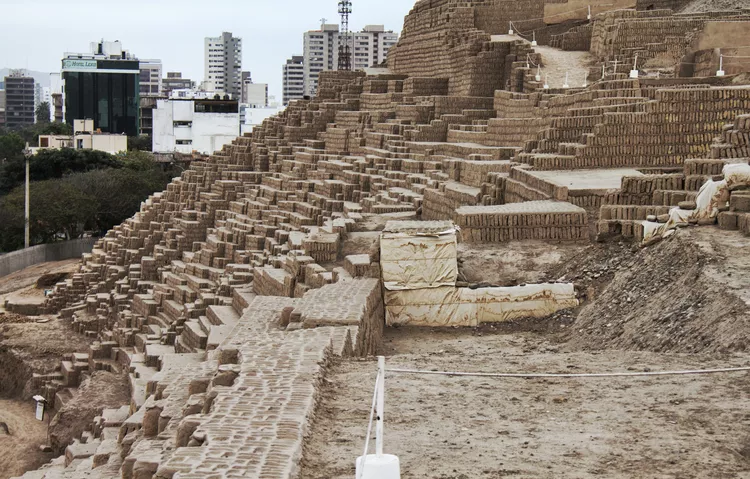
A young traveler’s guide to Lima’s ancient adobe pyramid in Miraflores, with ticket prices, visiting hours and the standout restaurant inside.